

Description
Stainless Steel Flexible Connectors for High-Heat Lines
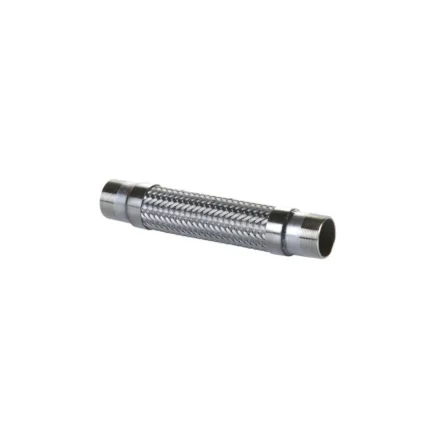
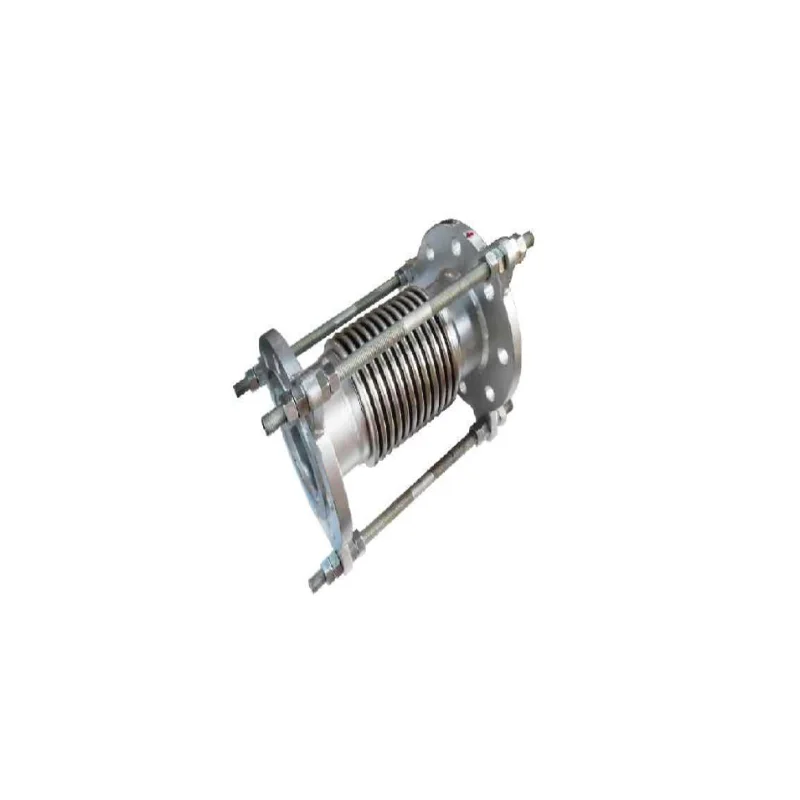
Exhaust ducts, boiler connections, and high-temperature process lines will destroy a standard rubber connector fairly quickly. Stainless Steel Flexible Connectors are built to handle that heat while still flexing enough to absorb vibration and thermal expansion at the joint.
The metal construction also resists corrosion better than rubber in industrial environments where chemical exposure or moisture is a regular factor, which is often the deciding reason a site specifies steel over rubber in the first place.
Where Stainless Options Make Sense
Boiler rooms, exhaust systems, and chemical processing lines are the typical fit. Stainless Steel Flexible Connectors cost more than rubber equivalents, but on high-temperature runs, that cost difference is usually smaller than the cost of replacing a failed rubber connector every year or two.
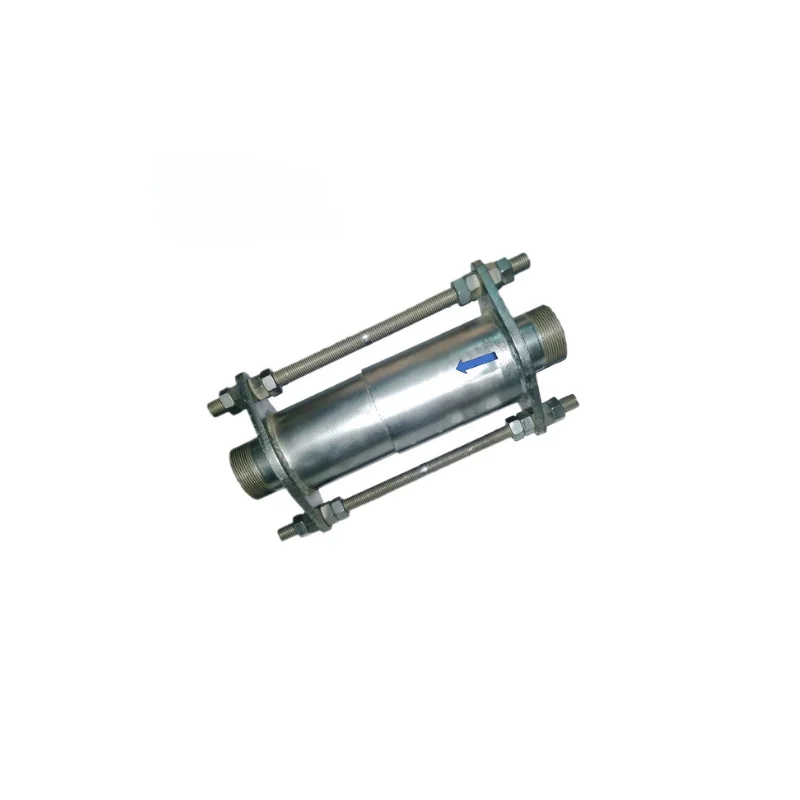
- Model VBEJ-T – Stainless Steel Expansion Joints Threaded – WP 16 Bar/25 Bar
- Model VBEJ-W – Stainless Steel Expansion Joints Welded – WP 16 Bar/25 Bar
- Model VBEJ-G – Stainless Steel Expansion Joints Grooved – WP 16 Bar/25 Bar
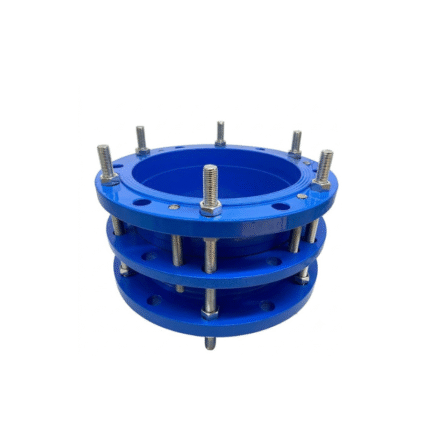
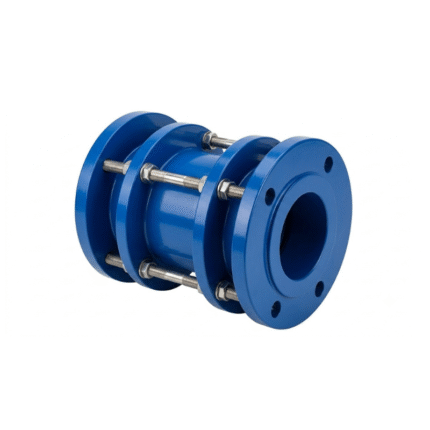
- Model VBEJ-F – Stainless Steel Expansion Joints -Flanged – WP 16 Bar/25 Bar
ITEM | PARTS | MATERIAL |
1 | BELLOWS | SST304[2 PLY]40 BAR [3 PLY] |
2 | TUBE | CARBON STEEL |
3 | GUSSET | CARBON STEEL |
4 | TIE RODS | CARBON STEEL |
5 | INNER SLEEVE | SST304 |
6 | FLANGE | CARBON STEEL |
7 | EXTERNAL COVER[OPTIONAL] | CARBON STEEL |
8 | OTHER MATERIALS ON REQUEST | |

FAQ
How do stainless connectors compare to rubber on price?
They're more expensive upfront but often cheaper over the equipment's life in high-heat or corrosive applications, since they need replacing far less often.
What temperature range can these typically handle?
It varies by grade and design, but stainless options are generally chosen specifically because rubber can't survive the application's heat range.
Do they need any specific installation clearance?
Bend radius and length matter more than with rubber, since the metal has less give — checking manufacturer specs before final layout avoids rework.